Some kids seem to bounce back from every cold in a few days.
And then there are the kids who catch everything.
The cold that turns into an ear infection.
The cough that lingers for weeks.
The congestion that never fully clears.
The stomach bug that wipes them out.
The constant cycle of being almost better, then sick again.
The fatigue, eczema, digestive issues, and “something is always going around” feeling.
If this is your child, you are not imagining it.
And you are not overreacting.
When a child is constantly sick, slow to recover, or never seems to reach a strong baseline between illnesses, it may be a sign that their immune system needs deeper support.
But here is the part many parents are not told:
The immune system does not operate on its own.
It is controlled and coordinated by the nervous system.
At Foundations Chiropractic, we help families look at immune health through a nervous system lens — because when the body is stuck in stress mode, it may have a harder time fighting infection, calming inflammation, digesting well, sleeping deeply, and recovering fully.
What Does a Weak Immune System Look Like in Kids?
A struggling immune system does not always show up as one big dramatic event.
More often, it shows up as a pattern.
It is not just one cold.
It is constant colds.
It is not just one ear infection.
It is ear infections over and over.
It is not just one rough season.
It is feeling like your child is always the first one sick and the last one better.
Common signs may include:
-
Frequent colds or respiratory illnesses
-
Recurring ear infections
-
Sinus infections
-
Lingering coughs
-
Slow recovery after illness
-
Getting sick again soon after recovering
-
Chronic congestion
-
Recurring sore throats
-
Frequent fevers
-
Persistent fatigue
-
Slow wound healing
-
Eczema, rashes, or skin irritation
-
Digestive issues like constipation, diarrhea, bloating, or food sensitivities
-
Allergies or asthma-like symptoms
-
A general sense that their body cannot fully bounce back
Some illness is normal in childhood, especially during school, daycare, and seasonal changes.
But when your child’s sickness feels constant, intense, or lingering, it is worth asking why their body is having a harder time adapting and recovering.
It May Not Be “Weak” — It May Be Dysregulated
Many parents use the phrase “weak immune system” because their child seems to catch everything.
But sometimes the immune system is not simply weak.
Sometimes it is dysregulated.
That means the immune system may underreact in some areas and overreact in others.
This is why some children experience both frequent illness and signs of immune overactivity, such as eczema, allergies, asthma, food sensitivities, or chronic inflammation.
Their body may struggle to fight off what it should fight off, while also reacting strongly to things that should not be a major threat.
That is not random.
It may be a sign that the immune system is not being regulated well.
And that brings us back to the nervous system.
The Nervous System Is the Immune System’s Control Center
Think of the immune system like an army.
Its job is to defend, respond, protect, repair, and clean up.
But even the best army needs a strong command center.
That command center is the nervous system.
The nervous system helps coordinate when the immune system should activate, when it should calm down, how inflammation is regulated, how the gut responds, how the body recovers, and how much energy is available for healing.
If the nervous system is overwhelmed or stuck in stress mode, the immune system may not get clear signals.
It may become slow, overactive, underactive, confused, or inefficient.
This is why a child’s immune struggles can be connected to sleep, digestion, sensory regulation, emotional regulation, and overall stress response.
The immune system is not separate from the rest of the body.
It is part of a much bigger communication system.
The Gas Pedal and Brake Pedal
A simple way to understand this is to think about the nervous system like a gas pedal and a brake pedal.
The sympathetic nervous system is the gas pedal.
It helps the body respond to stress, danger, illness, and urgency. It increases alertness and prepares the body to protect itself.
The parasympathetic nervous system is the brake pedal.
It helps the body rest, digest, sleep, heal, regulate, recover, and coordinate immune function.
Both systems are important.
A healthy nervous system can press the gas when needed and then apply the brake when it is time to recover.
But many children today are stuck with the gas pedal pressed down.
Their bodies are living in fight-or-flight.
When that happens, the body may have a harder time:
-
Sleeping deeply
-
Digesting well
-
Fighting infections efficiently
-
Regulating inflammation
-
Healing tissues
-
Recovering after illness
-
Building immune resilience
-
Calming allergic-type responses
The immune system works best when the body has access to both protection and recovery.
If your child is constantly in stress mode, their immune system may be working from a place of exhaustion.
The Role of the Vagus Nerve
The vagus nerve is one of the most important parts of the parasympathetic nervous system.
It helps regulate:
-
Digestion
-
Inflammation
-
Heart rate
-
Breathing
-
Immune response
-
Gut-brain communication
-
Emotional regulation
-
Recovery after stress
Because the vagus nerve plays such a big role in calming the body and coordinating inflammation, it is a major part of the immune health conversation.
When vagus nerve function is strong, the body has a better ability to shift into rest, repair, digestion, and regulation.
When vagus nerve function is under stress, the body may have a harder time calming inflammation, supporting the gut, and coordinating immune responses.
This is one reason we often see immune struggles overlap with other concerns like constipation, reflux, sleep challenges, anxiety, sensory overload, emotional outbursts, and chronic congestion.
They may seem like separate issues.
But they may all be connected through the nervous system.
The Gut-Immune Connection
The gut and immune system are deeply connected.
A large portion of the immune system is housed in and around the gut, which means digestive health matters for immune resilience.
When the gut is struggling, the immune system often struggles too.
That can show up as:
-
Constipation
-
Diarrhea
-
Bloating
-
Stomach pain
-
Food sensitivities
-
Reflux
-
Poor appetite
-
Frequent illness
-
Skin issues
-
Inflammation
But the gut does not regulate itself in isolation.
The nervous system helps coordinate gut motility, digestion, absorption, elimination, inflammation, and gut-brain communication.
So when a child is stuck in fight-or-flight, digestion may slow down, inflammation may increase, and the microbiome may become more vulnerable.
This is why gut support can be helpful, but may not be enough on its own if the nervous system is still overwhelmed.
The gut needs support.
And the nervous system may need support too.
Why Antibiotic History Matters
Antibiotics can be necessary and even life-saving when used appropriately.
There are absolutely times when medication is needed, and families should always work with their healthcare provider when making decisions around infection, fever, worsening symptoms, or medical care.
At the same time, frequent antibiotic use can impact the gut microbiome.
And because the gut and immune system are so connected, repeated disruption to the microbiome can make it harder for the immune system to develop strong, balanced responses over time.
This is not about shaming parents.
Most families who have used antibiotics were doing what they thought was best with the information they had at the time.
The goal is not guilt.
The goal is to understand the bigger picture so we can better support the body moving forward.
The Perfect Storm Behind Immune Struggles
At Foundations Chiropractic, we often talk about The Perfect Storm — the layering of stressors that can overwhelm a developing nervous system over time.
For some children, that story may begin before birth with prenatal stress, maternal health challenges, or a difficult pregnancy.
For others, it may include birth stress such as a long labor, C-section, induction, vacuum extraction, forceps, or other interventions that place stress on the developing nervous system.
Then more layers may build in early childhood:
Colic.
Reflux.
Poor sleep.
Constipation.
Chronic ear infections.
Antibiotics.
Environmental stressors.
Frequent illness.
Sensory overload.
Emotional stress.
A fast-paced world with little room to recover.
None of these things alone means a child will have immune struggles.
But when stressors stack over time, the nervous system may become more reactive and less adaptable.
The body starts living closer to the edge.
Then each new illness, poor night of sleep, stressful transition, or environmental trigger can feel like too much.
That is often when parents begin to notice that their child cannot bounce back the way other kids do.
Why Some Kids Keep Getting Sick
When the nervous system is stuck in chronic stress mode, the body has to prioritize survival.
That means energy is directed toward protection and alertness instead of repair, digestion, growth, and long-term resilience.
Over time, this can impact immune function.
A child may:
-
Catch illnesses more easily
-
Take longer to recover
-
Relapse after seeming better
-
Struggle with chronic congestion
-
Develop recurring ear or sinus infections
-
Experience more inflammation
-
Have more allergies or skin issues
-
Feel tired, depleted, or run down
Again, this does not mean the immune system is broken.
It may mean the body is overwhelmed and not receiving the regulation it needs to respond well.
When to Seek Medical Evaluation
Some immune patterns should always be evaluated by a medical provider.
Please speak with your child’s pediatrician if your child has:
-
Four or more ear infections in one year
-
Two or more serious sinus infections in one year
-
Two or more pneumonias in one year
-
Infections that require IV antibiotics
-
Poor growth or failure to thrive
-
Unusual, severe, or persistent infections
-
Fevers or symptoms that concern you
-
Trouble breathing, dehydration, or worsening illness
Medical evaluation matters.
The goal is not to ignore red flags or avoid care.
The goal is to look at the whole picture.
If testing comes back normal but your child is still constantly sick, a nervous system assessment may be an important next step.
How INSiGHT Scans Help Us Look Deeper
At Foundations Chiropractic, we do not want to guess when it comes to your child’s nervous system.
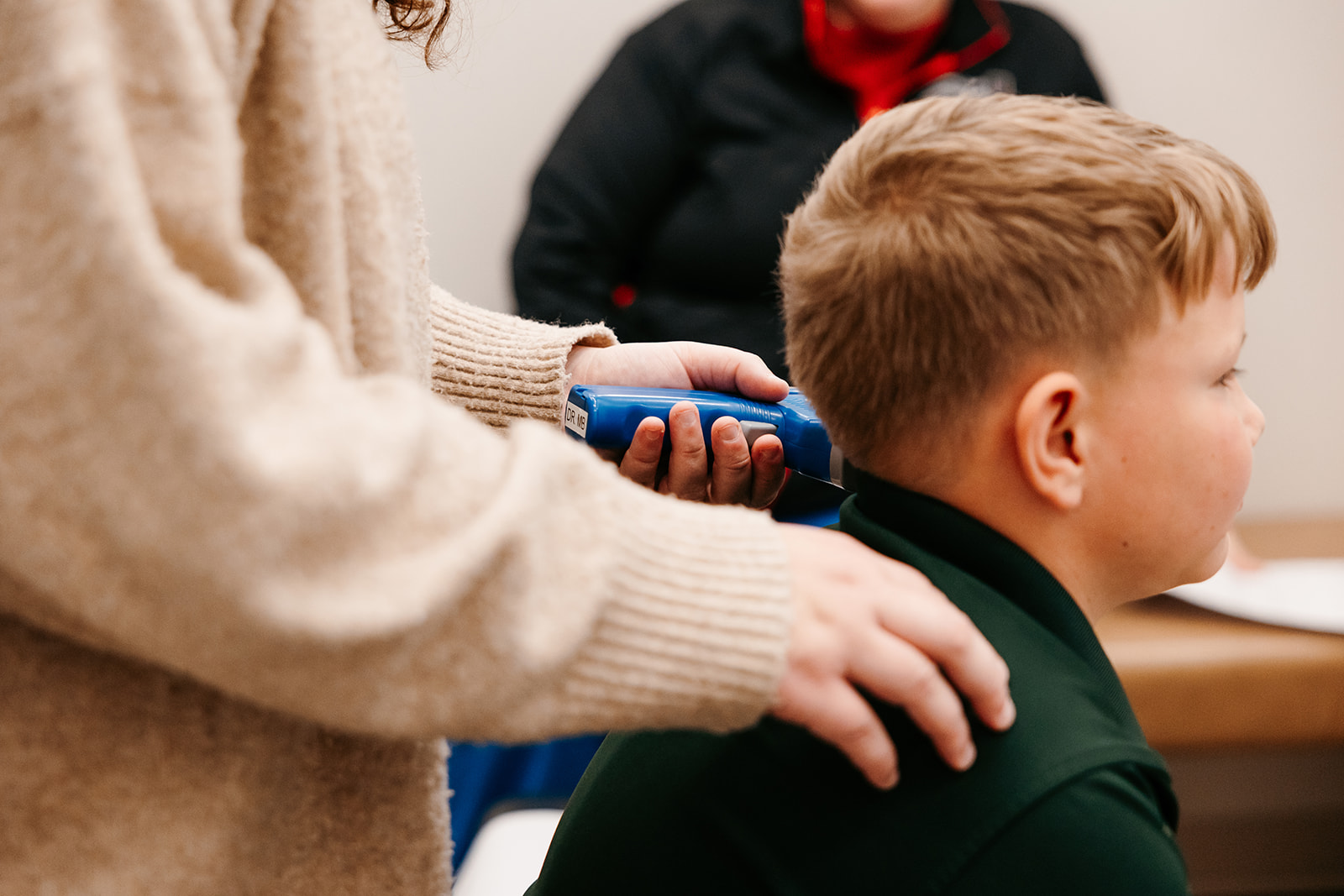
That is why we use INSiGHT Scans.
These scans are safe, gentle, and non-invasive.
They do not diagnose immune dysfunction, allergies, asthma, ear infections, autoimmune conditions, digestive disorders, or any other medical condition.
They are not a treatment or cure.
Instead, they help us measure patterns of nervous system stress and dysregulation.
INSiGHT Scans help us better understand:
-
Autonomic balance
-
Stress response
-
Heart rate variability
-
Neuromuscular tension
-
Adaptability
-
Patterns of dysregulation
-
How the body changes over time
For a child who is constantly sick, these scans help us look at the system that helps coordinate immune function, gut health, sleep, stress response, and recovery.
They help us ask:
Is the body stuck in fight-or-flight?
Is the brake pedal underactive?
Is the nervous system adapting well?
Is there measurable stress the body has been carrying?
How can we support the foundation more specifically?
For many parents, this gives language and clarity to something they have been feeling for a long time:
“My child’s body is working too hard.”
How Neurologically-Focused Chiropractic Care Fits In
At Foundations Chiropractic, our goal is not to treat or cure immune dysfunction, allergies, asthma, ear infections, or any medical condition.
We do not replace your pediatrician, immunologist, allergist, ENT, or medical team.
Our focus is supporting nervous system regulation, brain-body communication, adaptability, and resilience.
Neurologically-focused chiropractic care looks at how the nervous system is functioning, where stress may be stored, and whether the body is stuck in survival mode.
Through gentle, specific adjustments, our doctors work to support better nervous system function and help the body shift toward a more regulated state.
As the nervous system becomes more regulated, some families may notice changes like:
-
Better sleep
-
Improved digestion
-
More regular bowel movements
-
Better recovery after illness
-
Less congestion
-
Improved drainage
-
More stable energy
-
Fewer recurring flare-ups
-
Better emotional regulation
-
More resilience during seasonal changes
Every child is different, and results vary.
But when the nervous system has more capacity, the body often has more capacity too.
What Parents Can Do at Home
There are also simple ways to support your child’s immune and nervous systems at home.
Prioritize Sleep
Sleep is when the body repairs, regulates, and restores.
A consistent bedtime routine, reduced screens before bed, a calm evening rhythm, and enough sleep for your child’s age can make a meaningful difference.
Support the Gut
Whole foods, protein, healthy fats, fiber, fermented foods when tolerated, and age-appropriate probiotics may support gut and immune health.
If your child has significant digestive issues or food sensitivities, work with a qualified provider for personalized guidance.
Build in Calm
Children absorb the stress around them.
This does not mean you need a perfectly calm home.
It means small rhythms of regulation can help.
Slower mornings.
Outdoor time.
Predictable routines.
Connection before correction.
Breathing together.
Less rushing when possible.
Quiet recovery time after busy days.
Move the Body
Movement supports lymphatic flow, circulation, digestion, brain-body communication, and regulation.
Outdoor play, walking, crawling, climbing, jumping, stretching, and age-appropriate movement can all help the body process stress.
Reduce the Load Where You Can
You cannot remove every toxin, stressor, or germ from your child’s life.
But you can reduce the overall load.
Cleaner household products, fresh air, hydration, nutrient-dense foods, nervous system-friendly routines, and recovery time all matter.
The goal is not perfection.
The goal is capacity.
This Is a Both/And Conversation
If your child is sick, medical care matters.
If they have frequent infections, persistent symptoms, breathing issues, high fevers, poor growth, or concerning patterns, they deserve proper evaluation.
And they may also need support for the nervous system underneath the immune patterns.
This does not have to be either/or.
It can be both/and.
Pediatric care can matter.
Lab work can matter.
Medication can be necessary.
Nutrition can matter.
Gut health can matter.
Sleep can matter.
And nervous system regulation can matter too.
Your Child Is Not Broken
If your child catches everything, please hear this:
You are not failing.
Your child is not weak.
Their body is not broken.
It may simply be overwhelmed.
A child who is constantly sick is a child whose body may be asking for more support, more regulation, and a stronger foundation.
At Foundations Chiropractic, we help families look deeper.
Not with fear.
Not with blame.
Not with pressure.
But with clarity, compassion, and a focus on the system that helps the body regulate, recover, and adapt.
Because when we support the nervous system, we support the body’s ability to build resilience from the inside out.
And every child deserves the chance to feel stronger, steadier, and more at ease in their body.