When two-and-a-half-year-old Nolan was diagnosed with autism, one of the biggest challenges his family faced was low muscle tone. This made walking, running, and even basic movement incredibly difficult. Alongside poor sensory processing, limited speech, and frequent stimming behaviors, Nolan’s hypotonia (low tone) held him back from reaching important milestones.
Despite over two years of early intervention therapy, Nolan’s mom felt like they had hit a wall. “We felt he was stuck and had plateaued in progress,” she shared. He desperately needed more help with core strength, coordination, and regulation skills.
That’s when his family sought out Neurologically-Focused Chiropractic Care. The results were life-changing—Nolan progressed from struggling to walk to being able to run confidently, a huge leap forward in both his abilities and his independence.
If your child with autism struggles with low muscle tone, know this: there is hope. In this guide, we’ll explore what low muscle tone is, why it’s so common in children with autism, and how addressing the root cause—nervous system dysfunction—can help your child make real, lasting progress.
What is Autism Spectrum Disorder?
Autism spectrum disorder (ASD) is a neurodevelopmental condition that affects how the brain processes and responds to the world. It influences communication, social interactions, learning, and sensory experiences.
Because autism is a “spectrum,” symptoms and severity vary widely—some children may be nonverbal, others highly verbal; some may be highly sensitive to sounds, while others seem less responsive.
While genetics play a role, research shows environmental factors—such as prenatal stress, birth trauma, gut health challenges, and toxin exposure—can disrupt nervous system development and function. These early disruptions are a major reason challenges like low muscle tone often appear alongside autism.
What is Low Muscle Tone?
Low muscle tone, or hypotonia, means the muscles have less tension and resistance than normal, even when at rest. This can make a child feel “floppy” and make movements like sitting upright, crawling, or walking require far more effort.
For many children with autism, low muscle tone isn’t about the muscles themselves being “weak” — it’s about the brain and body not communicating efficiently. The nervous system controls muscle tone, and when there’s interference in that communication, tone, coordination, and stability all suffer.
While all babies start life with naturally low tone, it typically improves quickly in the first months of development. When it doesn’t, motor delays begin to stack up—and this is common in children on the autism spectrum. Studies suggest that up to half of children with autism experience low muscle tone.
Why Low Muscle Tone and Autism Often Go Hand-in-Hand
Motor skills depend on a healthy, well-connected nervous system. If that system is under stress—whether from birth trauma, sensory processing issues, or other neurological interference—muscles don’t get the right signals to activate, stabilize, and coordinate effectively.
Low tone in infancy often leads to delays in lifting the head, rolling, crawling, and walking—milestones that also impact social engagement, language development, and confidence.
And when sensory processing challenges make it harder to understand where the body is in space (proprioception), coordinating movement becomes even harder, reinforcing the cycle of low tone and delayed development.
Signs of Low Muscle Tone in Children with Autism
Parents and caregivers may notice signs such as:
- Slouched posture or rounded shoulders
- Delays in rolling, crawling, walking, or running
- Fatigue and weakness during play or daily activities
- Hyperflexible (“bendy”) joints
- Difficulty with fine motor skills (buttoning, writing, holding utensils)
- Oral motor challenges (chewing, drooling control, clear speech)
- Poor balance or coordination
- Sensory processing struggles and motor planning difficulties
Low tone can also affect digestive health—when the smooth muscles in the digestive tract aren’t functioning optimally, chronic constipation may result.
Common Contributing Factors
While each child is unique, some common contributors to low muscle tone in autism include:
- Birth trauma (c-section, forceps, vacuum delivery) impacting the upper neck and brainstem
- Prenatal stress or toxin exposure affecting nervous system development
- Nervous system interference from subluxations, inflammation, or vagus nerve dysfunction
- Sensory processing disorders that disrupt motor control
- Nutritional deficiencies impacting muscle function and nerve signaling
How Low Muscle Tone Impacts Daily Life
For a child, low muscle tone can affect nearly every part of the day:
- Gross motor skills: running, climbing, jumping, riding bikes
- Fine motor tasks: writing, dressing, eating
- Speech and feeding: chewing, swallowing, articulation
- Posture and attention: sitting upright in school without fatigue
- Confidence and participation: avoiding sports or playground play because of difficulty keeping up
Without the right support, these challenges can widen the gap between your child and their peers over time.
How Neurologically-Focused Chiropractic Care Can Help
Traditional physical or occupational therapy can help strengthen muscles—but if the nervous system isn’t sending the right signals, progress can be slow and frustrating.
Neurologically-Focused Chiropractic Care addresses the root cause: the communication pathways between the brain and body.
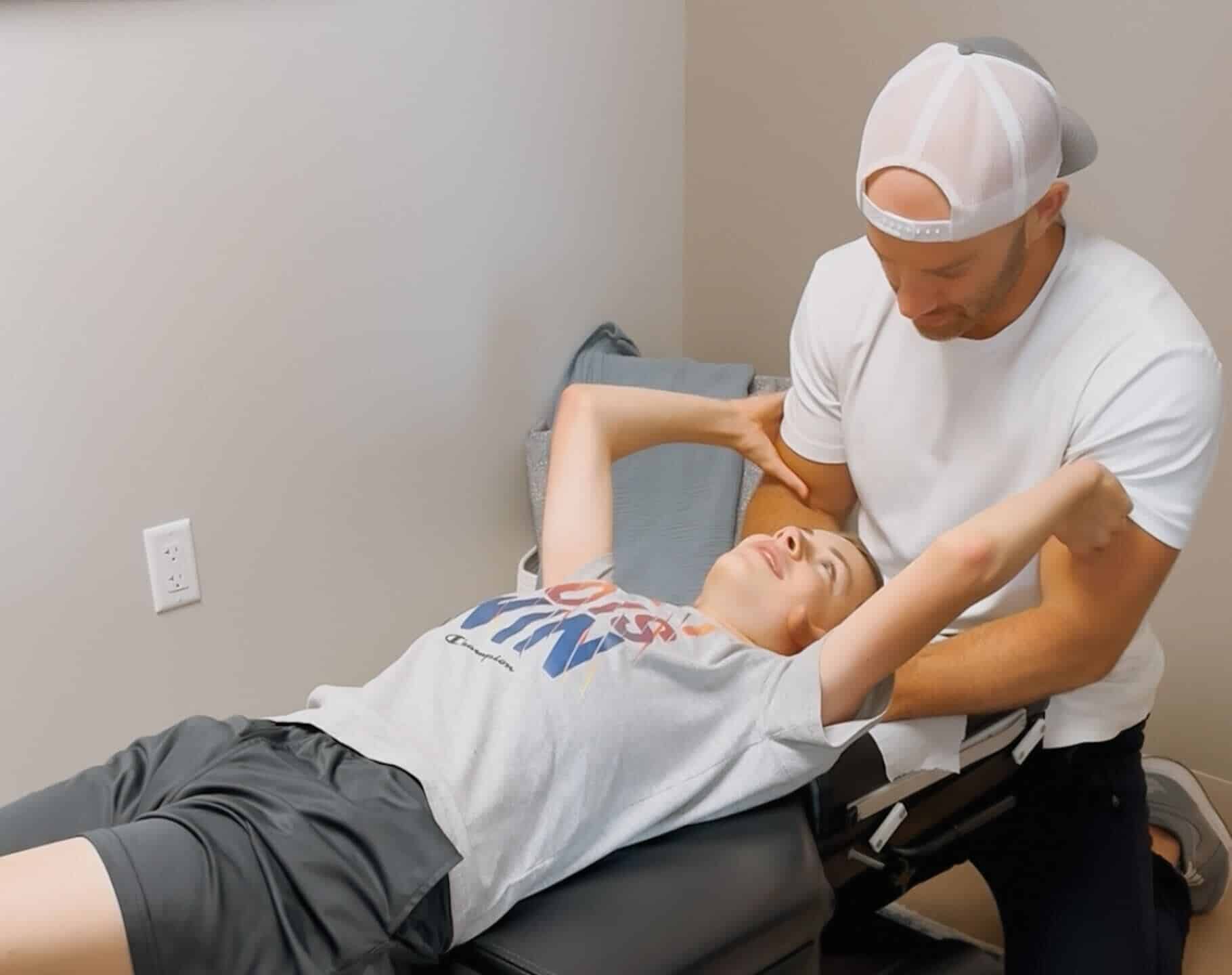
By using advanced neurological scans to detect areas of interference, gentle and precise adjustments restore proper nervous system function. This improves muscle tone, posture, stability, coordination, and even digestion.
Many parents find that when chiropractic care is combined with therapy, progress accelerates—sometimes noticeably enough that therapists comment on the improvement. Some even schedule adjustments right before therapy sessions to maximize the benefits.
The Takeaway for Parents
If your child with autism has low muscle tone, they don’t have to remain “stuck” at their current abilities. With the right approach, you can help their brain and body work together more efficiently, paving the way for stronger movement, improved coordination, and greater independence.
At Foundations Chiropractic, we partner with parents to address the neurological root of low muscle tone so kids can reach their milestones with confidence—and enjoy the process along the way.
Your child’s next breakthrough could start with a simple step: a neurological evaluation.